OpenZhenZhen AI プロンプトギャラリー · gpt-image-2.5 · image
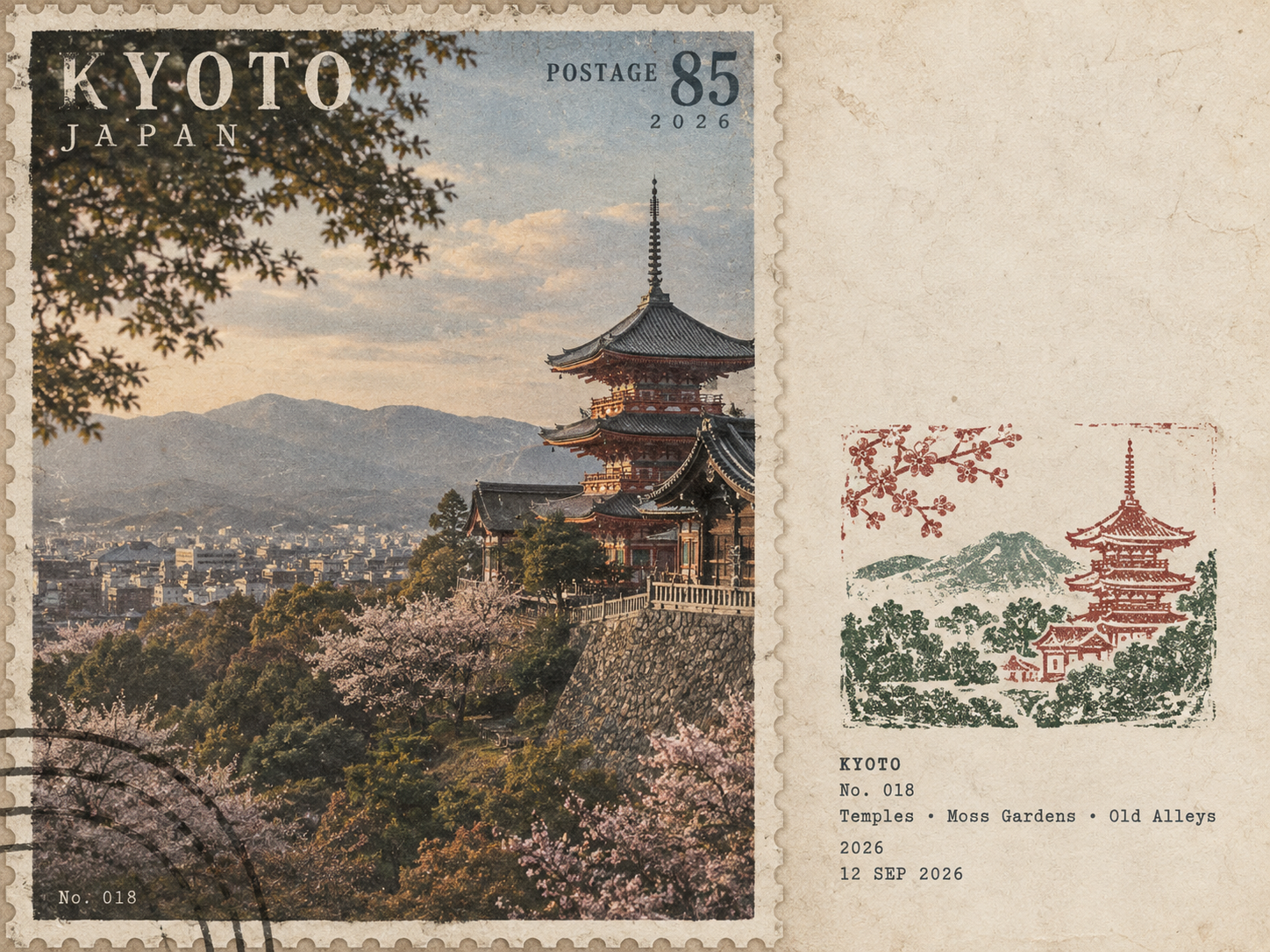
ヴィンテージ旅行写真の切手と手彫り印章のポスター
Vintage Travel Photography Stamps and Hand-Carved Seal Poster
「ヴィンテージ旅行写真の切手と手彫り印章のポスター」は gpt-image-2.5 を使用した作品です。OpenZhenZhen で元のプロンプトと生成例を確認し、創作の参考にできます。
プロンプト
中国語プロンプト
为一个旅行目的地创建一张独立海报。不要合并多张图像,也不要做拼贴。使用 4:3 横向构图,包含两个自然衔接的区域:左侧约 58% 是以 Kyoto, Japan 为主题的真实复古摄影邮票,右侧约 42% 是暖米白色旧纸,保留大量留白。不要画明显分割线。 左侧 — 复古摄影邮票 创建 Kyoto, Japan 的真实摄影场景,准确呈现其可辨识的建筑、景观、植被、地形、透视、光影和自然氛围。避免前景肖像或可识别人物;如有行人,只能是细小、偶然、非主体的背景元素。场景保持摄影纪实感,只加入细微档案级调色和细腻胶片颗粒。 让左侧场景像真实的复古旅行邮票:细微齿孔边缘、陈旧印刷质感、轻微吸墨、细小印刷磨损、色调变化和自然模拟质感。把小型复古邮政排版直接融入邮票:"KYOTO"、"JAPAN"、"POSTAGE 85"、"2026",以及可选小型发行编号 "No. 018"。使用内敛的衬线体、雕刻体、紧缩体或档案字体,带轻微褪色和不完美墨迹。文字避开重要视觉细节;避免现代品牌、虚假政府徽标和装饰性口号。 右侧 — 橡胶印章与田野笔记 创建一个 2-4 色的小型手刻橡胶印章压痕,表现 Kyoto, Japan 最具辨识度的特征。把目的地简化成强烈视觉形状,例如建筑、山脉轮廓、道路、海岸线、聚落、植被或独特剪影。去除不必要的人群、车辆、重复建筑和细碎细节。 将橡胶印章放在右侧面板的中下部,占面板高度约 30-38%,周围保留大量空白。使用受目的地启发的柔和色彩。加入手工瑕疵:不均匀雕刻、破碎边缘、干墨、纸张透出、颗粒质感、压力不均、重影以及 1-2 毫米的细微套色偏移。它应像盖在旧纸上的真实手工印记,而不是干净的矢量标志。 在印章附近加入小型打字机风格田野笔记文字: "KYOTO" "No. 018" "Temples · Moss Gardens · Old Alleys" "2026" "12 SEP 2026" 文字要小、内敛、次要。 风格:安静、档案感、触感、地域性、克制且有收藏感,像一份结合复古摄影邮票与建筑师田野笔记橡胶印章的真实旅行文件。避免拼贴、明显分割线、旅游纪念品感、过大邮政图形、巨大排版、圆形或火漆印章、贴纸、通用图标、卡通风格、矢量艺术、3D 渲染、光泽渐变、过饱和、过度细节、装饰堆砌、虚构地标、水印或畸形文字。
英語プロンプト
Create one standalone travel poster for one destination. Never combine multiple images and never create a collage. Use a 4:3 landscape composition with two seamless regions: the left 58% is a realistic vintage photographic postage stamp featuring Kyoto, Japan, and the right 42% is warm off-white aged paper with generous negative space. Do not draw an obvious divider. LEFT — VINTAGE PHOTOGRAPHIC POSTAGE STAMP Create a realistic photographic scene of Kyoto, Japan, accurately depicting its recognizable architecture, landscape, vegetation, terrain, perspective, lighting, shadows, and natural atmosphere. Avoid foreground portraits or identifiable people; any pedestrians must be tiny, incidental, and not the subject. The scene remains photographic and realistic, with subtle archival grading and fine film grain. Make the left scene resemble an authentic vintage travel postage stamp: subtle perforated edges, aged printed texture, mild ink absorption, slight print wear, tonal variation, and natural analog character. Integrate small vintage postal typography directly into the stamp: "KYOTO", "JAPAN", "POSTAGE 85", "2026", and optional small issue number "No. 018". Use restrained serif, engraved, condensed, or archival lettering with subtle fading and imperfect ink. Keep typography away from important visual details; avoid modern branding, fake government logos, and decorative slogans. RIGHT — RUBBER STAMP AND FIELD NOTE Create a small 2-4 color hand-carved rubber-stamp impression representing the most recognizable features of Kyoto, Japan. Simplify the destination into strong visual shapes such as architecture, mountain contours, roads, shorelines, settlements, vegetation, or distinctive silhouettes. Remove unnecessary crowds, vehicles, repetitive buildings, and fine details. Place the rubber stamp in the lower-middle of the right panel, occupying about 30-38% of the panel height, with generous whitespace. Use muted colors inspired by the destination. Add handmade imperfections: uneven carving, broken edges, dry ink, paper show-through, granular texture, uneven pressure, ghosting, and subtle 1-2 mm color misregistration. It should look like a real hand-stamped mark on aged paper, never a clean vector logo. Add small typewriter-style field-note text near the stamp: "KYOTO" "No. 018" "Temples · Moss Gardens · Old Alleys" "2026" "12 SEP 2026" Keep the text small, understated, and secondary. Style: quiet, archival, tactile, regional, understated, and collectible, like a genuine travel document combining a vintage photographic postage stamp with an architect's field-note rubber stamp. Avoid collage, obvious divider, tourist-souvenir aesthetics, oversized postage graphics, giant typography, circular or wax seals, stickers, generic icons, cartoon styling, vector art, 3D rendering, glossy gradients, oversaturation, excessive detail, decorative clutter, invented landmarks, watermarks, or malformed text.
画像・動画プロンプトをもっと見る · 画像を生成 · 動画を生成 · AI キャンバスで作成
関連作品
- 90年代クールトーン仙侠風 翡翠色漢服の人物像
「90年代クールトーン仙侠風 翡翠色漢服の人物像」は gpt-image-2.5 を使用した作品です。OpenZhenZhen で元のプロンプトと生成例を確認し、創作の参考にできます。
- 超精巧3Dコミック風スター收藏ポスター
「超精巧3Dコミック風スター收藏ポスター」は gpt-image-2.5 を使用した作品です。OpenZhenZhen で元のプロンプトと生成例を確認し、創作の参考にできます。
- レトロレーシングポスターのデザインプロンプト
「レトロレーシングポスターのデザインプロンプト」は gpt-image-2.5 を使用した作品です。OpenZhenZhen で元のプロンプトと生成例を確認し、創作の参考にできます。
- ちびキャラチャットスタンプ生成プロンプト
「ちびキャラチャットスタンプ生成プロンプト」は gpt-image-2.5 を使用した作品です。OpenZhenZhen で元のプロンプトと生成例を確認し、創作の参考にできます。
- 子ども向け科学百科ポスター ミツバチを知ろう
「子ども向け科学百科ポスター ミツバチを知ろう」は gpt-image-2.5 を使用した作品です。OpenZhenZhen で元のプロンプトと生成例を確認し、創作の参考にできます。
- ファッションカラーブロックコラージュポートレート写真
「ファッションカラーブロックコラージュポートレート写真」は gpt-image-2.5 を使用した作品です。OpenZhenZhen で元のプロンプトと生成例を確認し、創作の参考にできます。